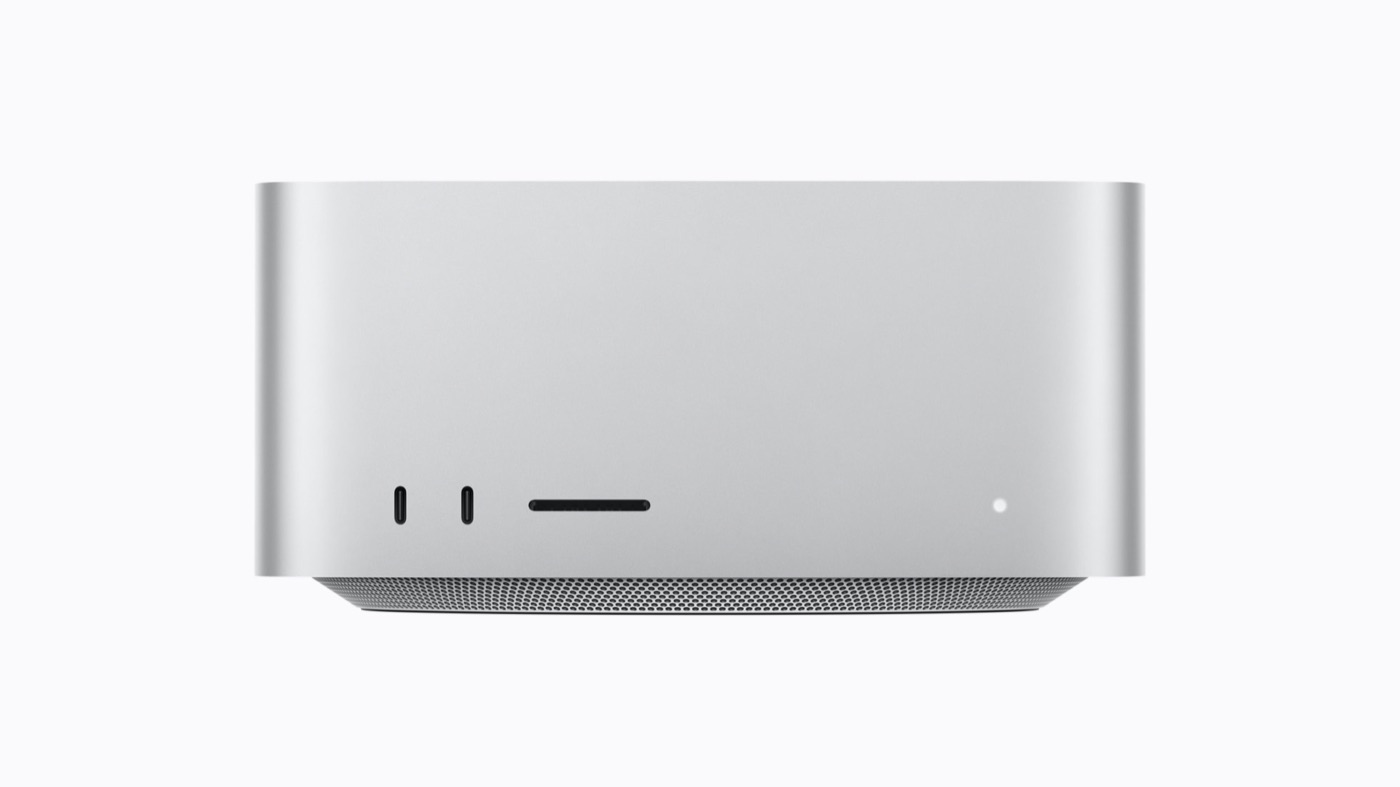
Mac Studio — M5 Max
$2,49936 GB unified · 512 GB SSD · 18-core CPU · 32-core GPU
Hardware · Kigali
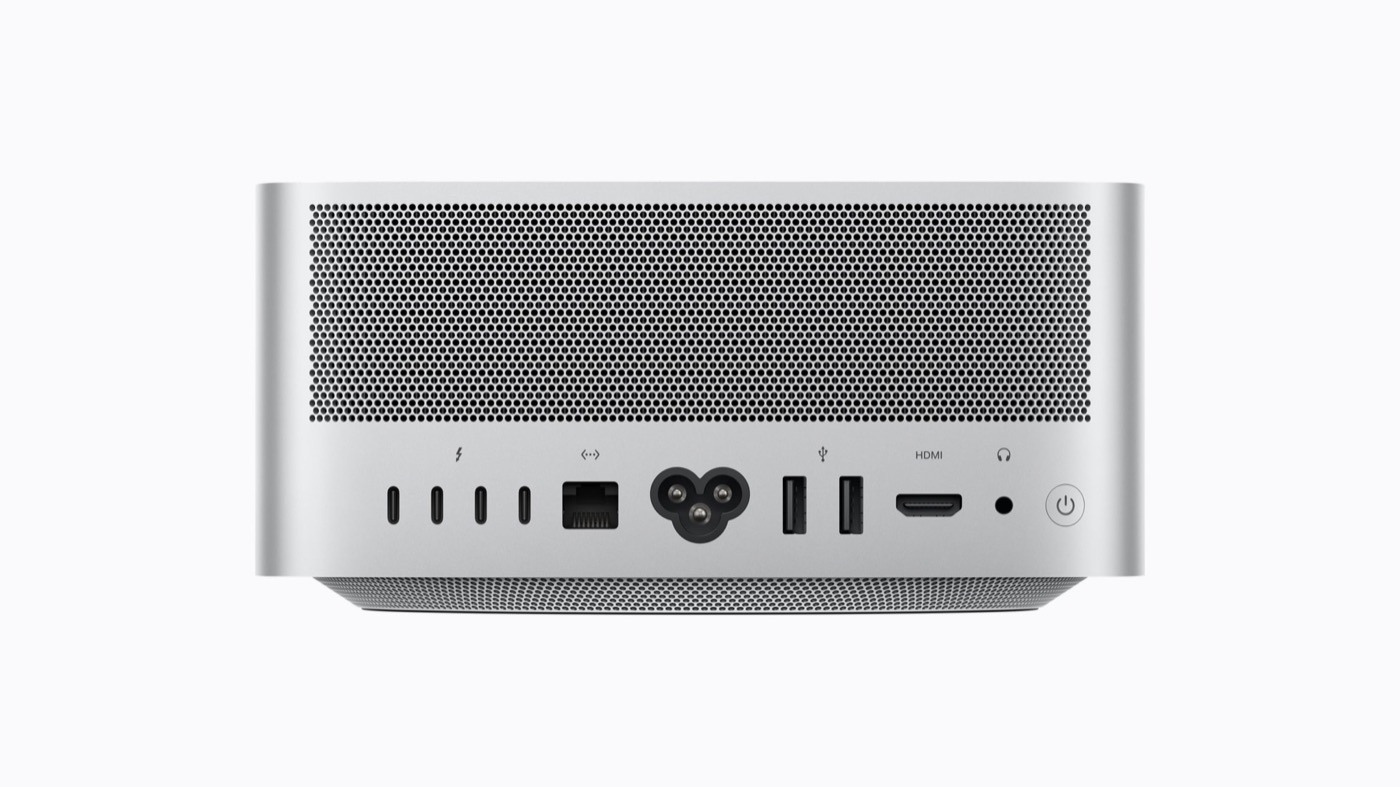
A workstation in Kigali that runs the models locally — a Mac Studio M5 Max in its default configuration, a Studio Display, fibre with a failover line, and a UPS that keeps it all up.
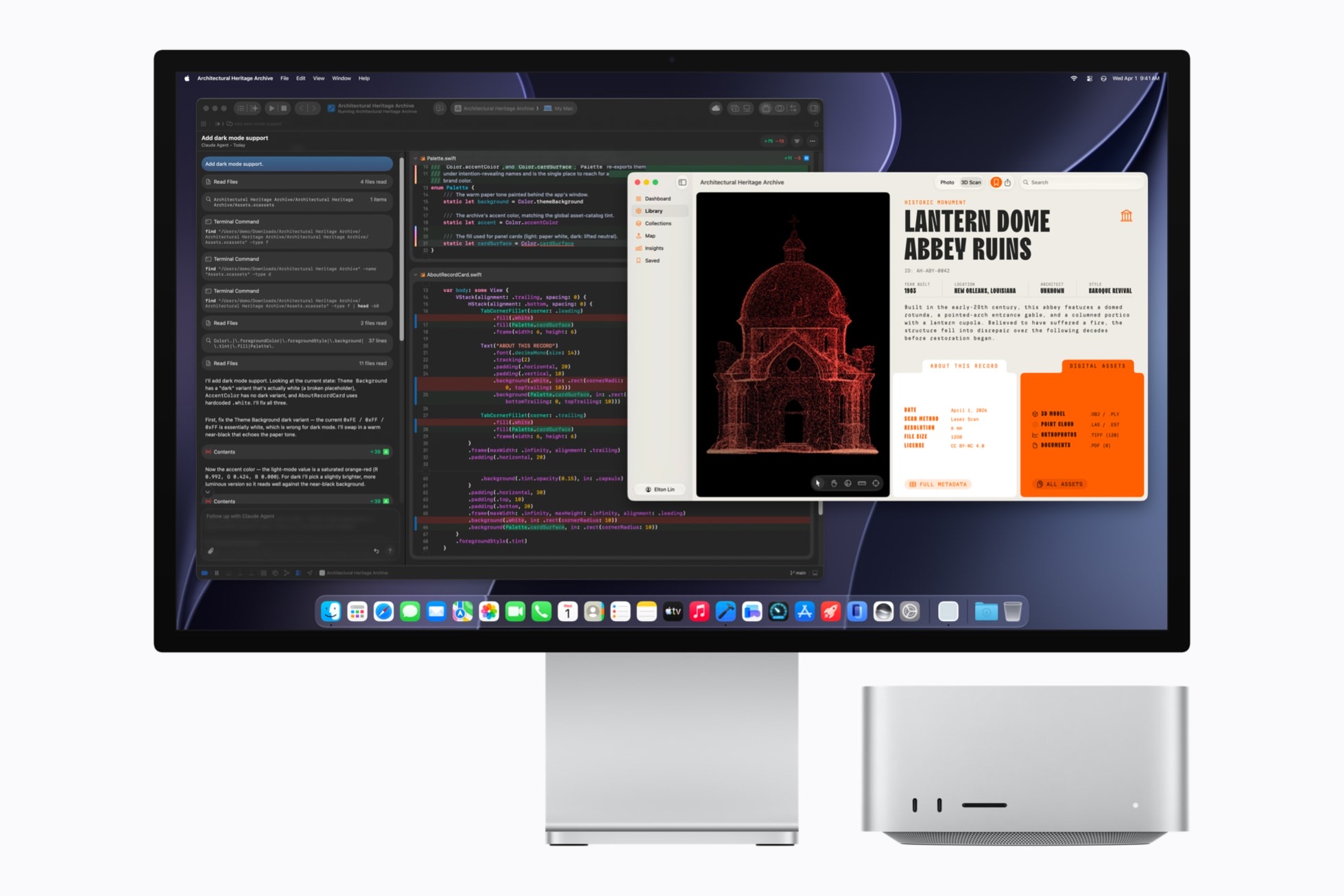
Five pieces, all shipping today. Apple US list prices — add freight and duty.
36 GB unified · 512 GB SSD · 18-core CPU · 32-core GPU
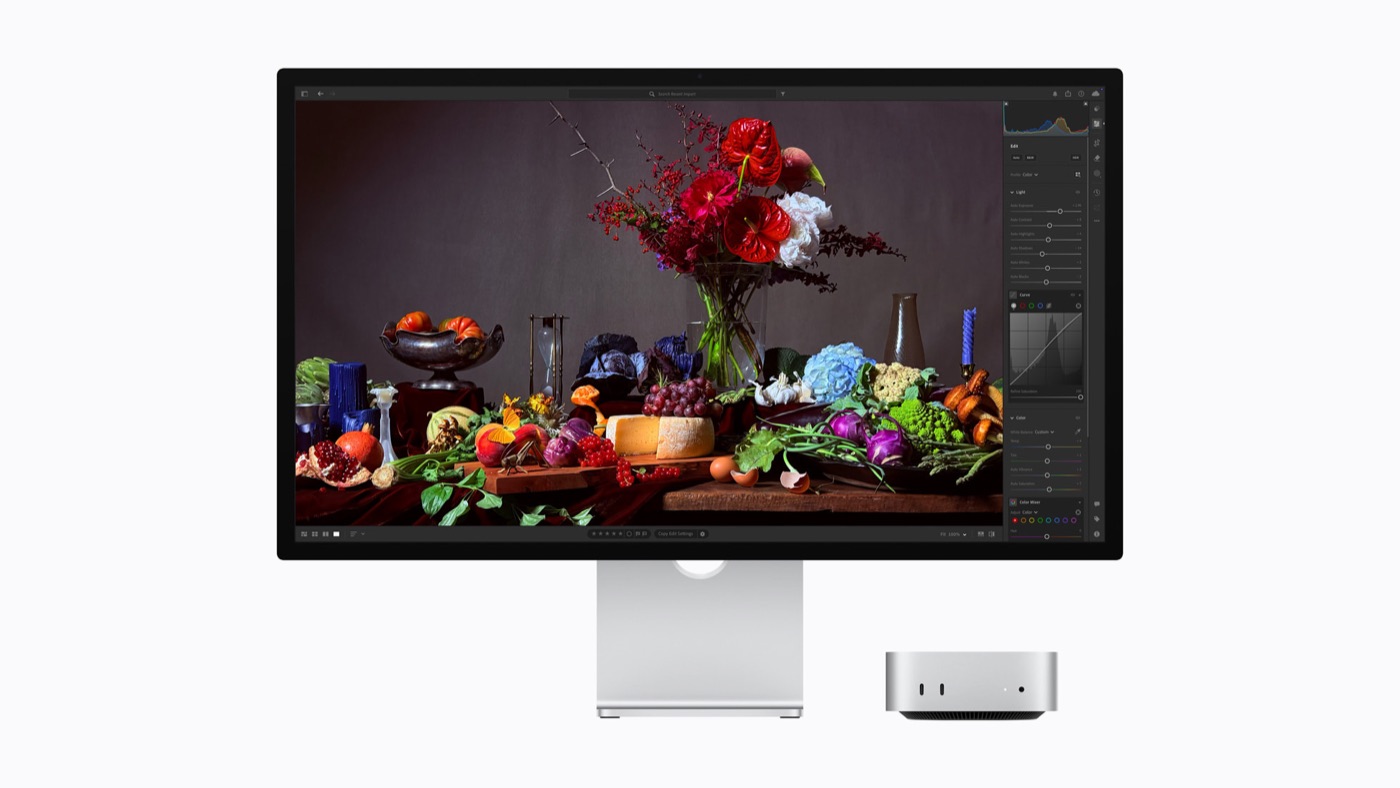
600 nits · P3 · 12 MP Center Stage · Thunderbolt 5 in, daisy-chain out

The Mac Studio ships without one. Touch ID unlocks and signs in
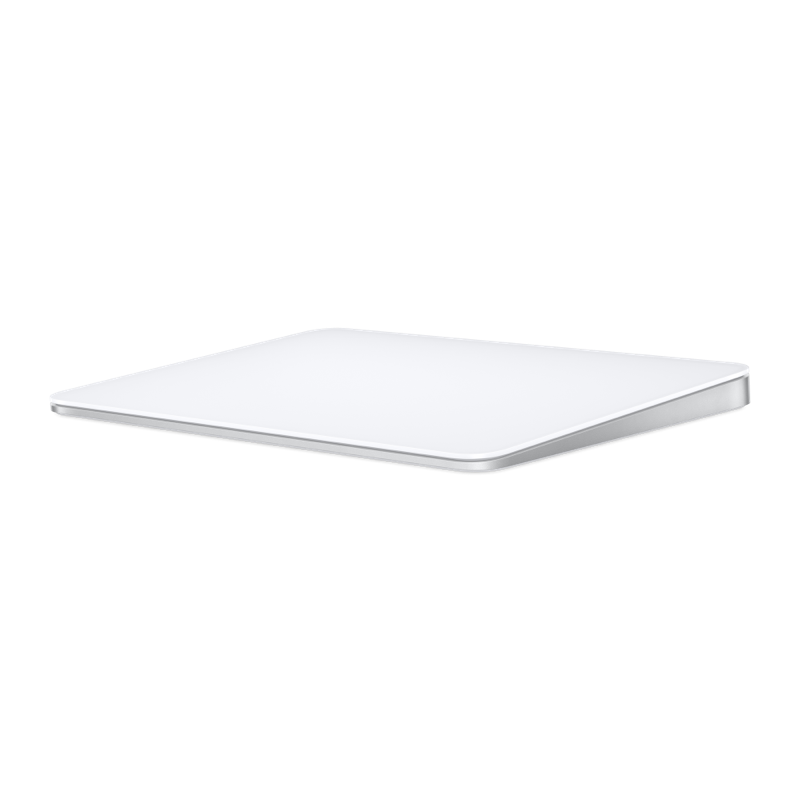
Force Touch, USB-C charging
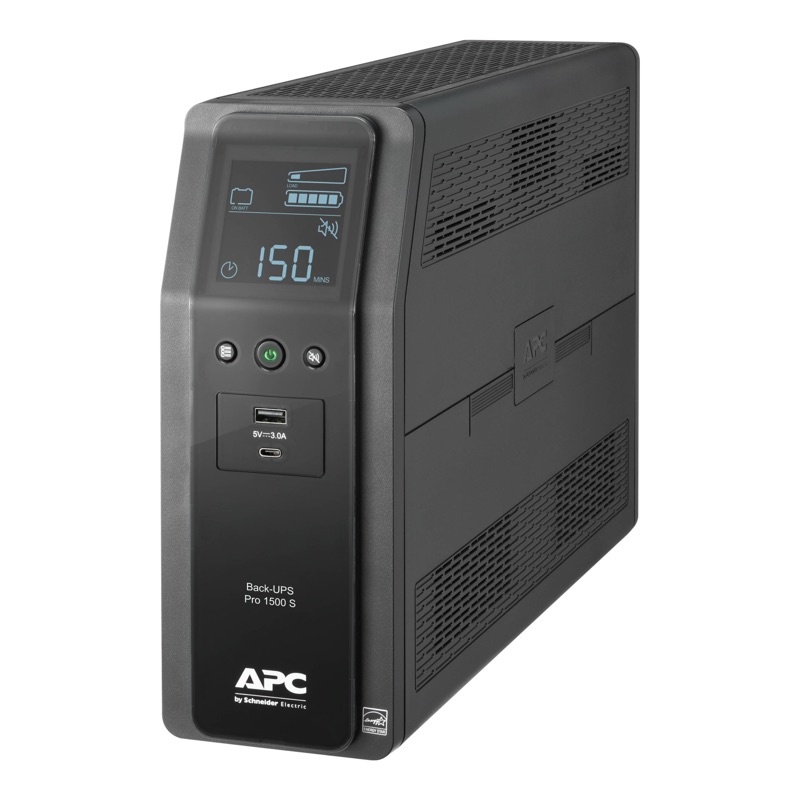
BR1500MI, the 230 V model · 1500 VA / 865 W, line-interactive AVR. Rides through brownouts and covers an outage long enough to sleep cleanly
The default configuration. Nothing upgraded, nothing missing.
Kigali has what the Erkowit site lacked: a grid, hands nearby, and a licensed link.
Switch line items off, or add the memory upgrade, and watch the one-time cost, the monthly bill and the battery runtime move. The 128 GB upgrade adds $2,600 — and can only be bought at checkout.
Frontier weights are closed — no hardware buys them. What runs is the open-weight tier. The rule: MoE with low active parameters, never dense — and in 36 GB, the 30B class is the comfortable ceiling.
The box serves models through Apple's MLX (mlx-lm, Ollama's MLX engine) — unified memory means the whole model sits within the GPU's reach with no copies. The price: no CUDA, no vLLM, and mlx_lm.server keeps a per-request KV cache, so the box is excellent for one person or a serial queue, not dozens of concurrent requests. That matches our size today.
Three reasonable alternatives, each rejected or deferred for a specific reason rather than a preference. Figures checked October 2026.
Holds bigger models, decodes slower, and is a second headless machine beside the desk. If 80B-class models become the need, the +$2,600 upgrade keeps it in one box.
Real speed, bought before there is a queue to speed up. It is Tier 4 — revisit when measured saturation says the Max is the bottleneck.
Code, docs and dashboards gain nothing from HDR. The $1,700 difference is a fibre line for two years.
Apple refreshes its chips roughly yearly, and each generation raises memory bandwidth — precisely what caps decode. Our Tier 2 trigger may not fire before the M6 generation — so the spec reads “Mac Studio, Max-class chip, default configuration of the generation current at trigger time,” never a part number. Written that way, buying the box last is not only cash discipline; the plan upgrades itself while it waits.
Kigali's grid is steady, not perfect, and the box gets used remotely whenever nobody is at the desk. So recovery is built out of simple, reliable parts.
Brownouts never reach the box; a real outage gets minutes to finish the job and sleep cleanly
One macOS Energy setting, so every long outage self-heals without a human
The router cuts over in seconds, and remote login (Tailscale, Screen Sharing) keeps working through it
Time Machine hourly, an off-site copy to S3, and every job safe to re-run after a cut
Note the shape: the link comes first because it is cheap and protects delivery today, and the box waits on revenue. Running models locally then costs nothing extra — it is software on a machine we already bought.
Laptops the team already owns, plus cloud.
Trigger: Current state
Business fibre, an LTE failover on a second carrier, and a UPS for the router. The one piece every later tier stands on.
Trigger: None — affordable now, and it protects delivery today
Mac Studio M5 Max in its default configuration, Studio Display, Magic Keyboard and Trackpad, Time Machine SSD. Hermes, the CRM mirror, git and staging move onto the box.
Trigger: First paying school, or non-dilutive funding
MLX serving on the box: enrichment, classification and a 30B-class coder run locally in 36 GB; the cloud keeps the frontier work.
Trigger: 3 paying schools / ~$3K MRR sustained 3 months
Memory cannot be added to a Mac later, so scaling means a second box: an M5 Ultra (96–512 GB) or a 128 GB Studio clustered over Thunderbolt 5. The first Studio moves to a teammate's desk.
Trigger: Measured saturation — the queue is waiting on the machine, not on the link
Selected tenants on owned iron.
Trigger: 12 months of measured uptime, and a customer who wants on-prem and pays for it